Protecting Your Commercial Investment: Flat Roof Maintenance and Leak Prevention
Owning or managing a commercial property comes with a long list of responsibilities, and keeping a solid roof over your tenants, employees, and operations is right at the top. Here in the South Sound, our famous Pacific Northwest weather presents unique challenges for commercial buildings, particularly those with flat roofs. When the heavy rains set in from October to April, a minor vulnerability can quickly escalate into a major operational disruption.
At United Roofing and Restoration, we know that waiting for a leak to appear is a risky strategy. By the time water makes its way inside the building, the structural and financial damage is often already done. Furthermore, the wet climate severely limits the active roofing season, causing scheduling backlogs during the winter months. Booking preventative maintenance early is the best way to avoid being caught in a frantic line for emergency repairs.
Today, we are going to walk through the essential maintenance steps you need to take to protect your flat roof, recognize the early warning signs of membrane failure, and proactively prevent costly water damage to your business.
The Hidden Dangers of Ponding Water on Flat Roofs
One of the most persistent issues commercial property owners face is ponding water. While a flat roof isn't perfectly flat—it has a slight pitch to direct water toward drains and scuppers—heavy bouts of our regional liquid sunshine can easily overwhelm these drainage systems. If water remains on your roof for more than 48 hours after a rainstorm, it is officially considered ponding.
Ponding water exerts immense weight on your building's structural supports and accelerates the deterioration of your roofing materials. Over time, this standing water breaks down the UV-protective coatings and seeps into the seams of the membrane. Implementing effective commercial flat roof ponding water solutions is critical to preserving your investment. This might involve re-pitching specific sections with tapered insulation, widening existing scuppers, or installing additional interior roof drains.
When you invest in professional commercial roofing maintenance, experts can identify and correct these drainage issues before they lead to structural sagging or catastrophic leaks. Updating your insulation to fix drainage can also help you meet stricter Washington State Energy Code standards, ultimately saving you money on your building's heating and cooling costs.
Spotting Early Signs of Commercial Roof Membrane Failure
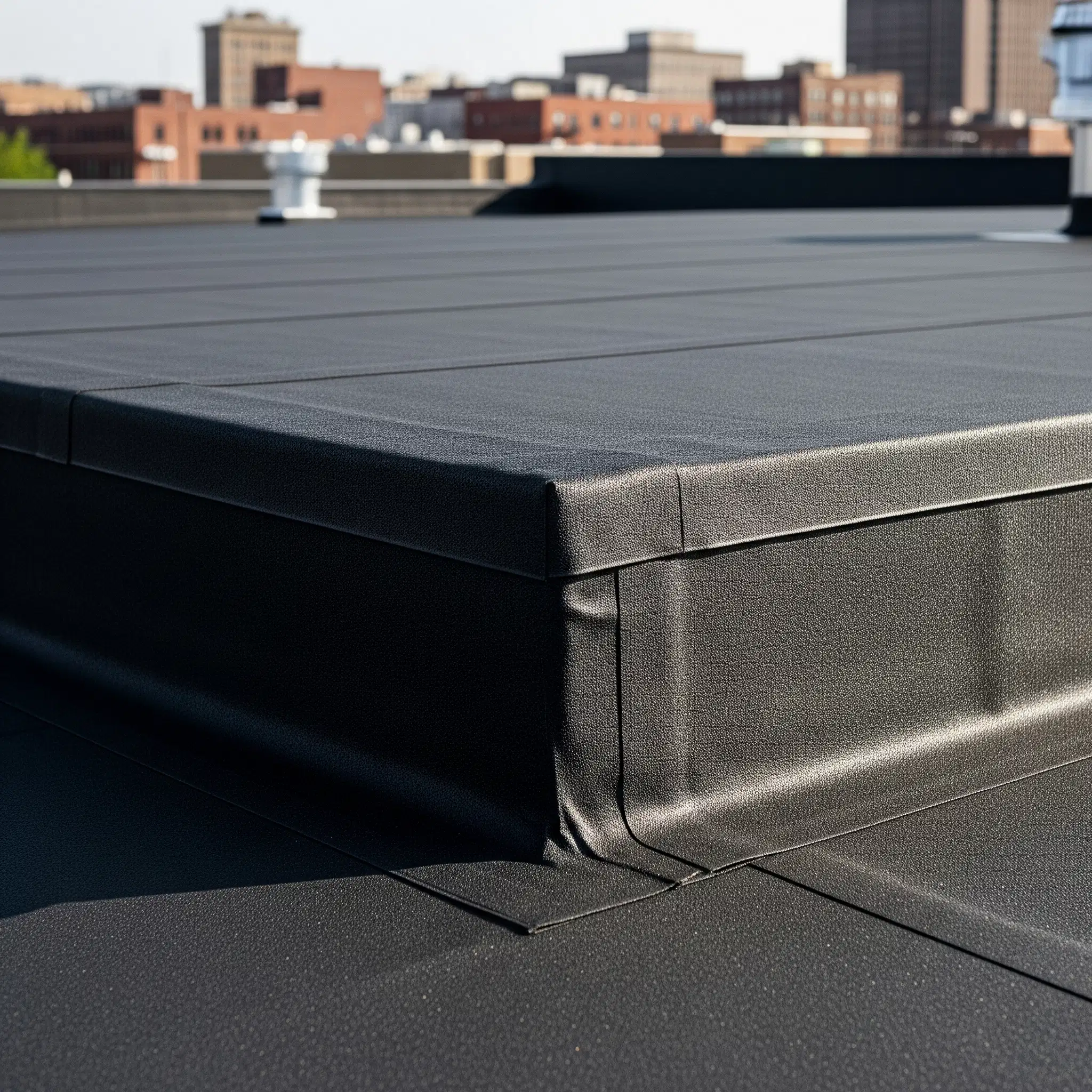
Commercial roofs are built to withstand the elements, but they certainly aren't invincible. The constant cycle of moisture, occasional freezing temperatures, and the notorious Narrows winds can take a severe toll on materials like TPO, EPDM, and modified bitumen. Catching the signs of commercial roof membrane failure early is the best way to extend the lifespan of your roof and protect your profit margins from unexpected capital expenses.
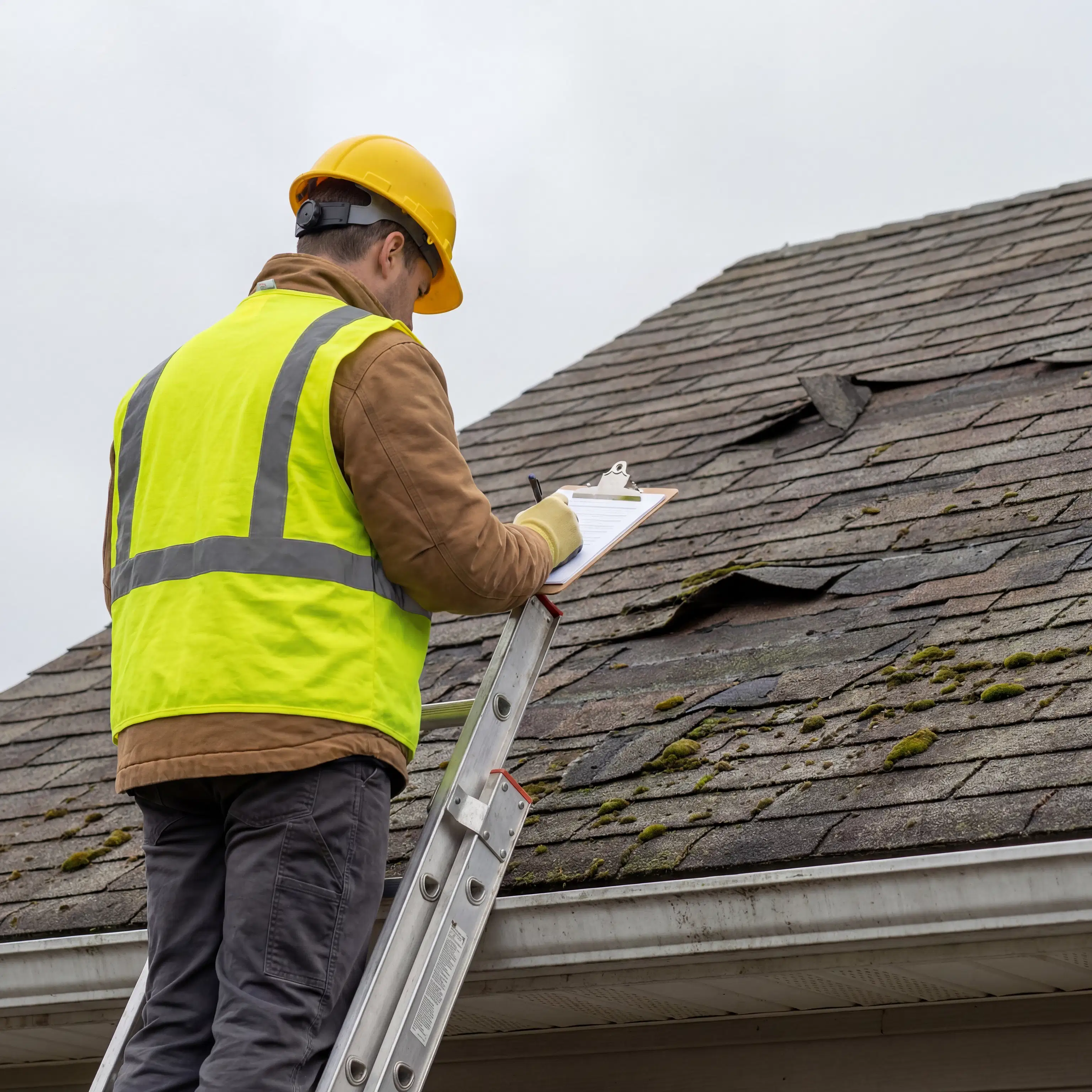
During a routine inspection, keep an eye out for blistering or bubbling on the roof surface. This typically indicates that moisture has become trapped beneath the membrane and is expanding as it heats up during the day. You should also check for shrinkage, where the membrane pulls away from the flashing or parapet walls, leaving vulnerable seams completely exposed to the elements.
Additionally, moss mitigation is a unique necessity in our damp climate. While moss might look harmless, its root systems can actually lift the seams of your roofing membrane and trap moisture directly against the surface, accelerating decay. Regular cleaning and preventative treatments are vital. If you notice persistent membrane issues or structural dampness during your own visual checks, it is time to look into professional mitigations to halt the deterioration before a full roof replacement becomes your only option.
Preventing Commercial Building Water Damage from Roof Leaks
A leaking roof doesn't just damage ceiling tiles and drywall; it can destroy expensive inventory, disrupt daily business operations, and create serious liability and safety hazards for your workforce. Preventing commercial building water damage from roof leaks requires a proactive approach. Fluctuating material costs squeeze profit margins, so preventing interior damage is a highly cost-effective way to manage your facility's budget.
To stay ahead of the weather, we highly recommend scheduling comprehensive roof inspections twice a year—ideally in the late summer before the heavy rains begin, and again in the spring. Modern technology, such as drone inspections, allows contractors to get a highly accurate, comprehensive view of your entire roof system quickly and safely. These inspections allow roofers to clear debris from gutters, check the integrity of sealants around HVAC units and vents, and patch minor punctures before they turn into active leaks.
However, if an unexpected storm causes sudden damage or a hidden vulnerability finally gives way, fast action is critical. Having a reliable partner for water damage 24/7 response ensures that water extraction and structural drying begin immediately. Quick intervention minimizes your facility's downtime, limits inventory loss, and heavily mitigates the risk of hazardous mold growth spreading through your building.
Secure Your Business Before the Rainy Season
Maintaining a commercial flat roof requires vigilance, specialized knowledge, and a commitment to regular upkeep. By addressing ponding water immediately, staying alert to membrane wear and tear, and keeping your drainage systems clear of seasonal debris, you can maximize the lifespan of your roof and safeguard your entire property.
If you are unsure about the current condition of your commercial building or want to establish a reliable, proactive maintenance plan, the team at United Roofing and Restoration is here to help. We understand the specific demands of Tacoma's unpredictable weather and have the local expertise to keep your business dry, safe, and fully operational year-round. Contact us today to schedule your commercial roof inspection and take the first step toward total peace of mind for your business.